

Fashion is constantly changing However, the one thing that remains in the same place is the need for durable, flexible fabrics. Viscose fabric bought by the yard is a preferred option for designers seeking an inexpensive, flexible fabric that checks both comfort and quality boxes. This article explains all you need to know about viscose fabric purchased by the yard, particularly in the case of designing clothing professionally or working for a company.
Why Viscose Fabric Is Everywhere
Viscose fabric is seen in everything from fashion-forward looks to couture creations. It’s renowned for its drape as well as absorbing colors beautifully and being a light touch to the touch. If you’re looking at a flowing summer dress or set of trousers, then there’s a high possibility that viscose was involved.
This article explains what viscose is and why it’s a favorite with fashion designers, and how to purchase viscose fabric by the yard with certainty.
Understanding Viscose Fabric
What Makes Viscose Different
Viscose, also known as rayon, originates from cellulose fibers that have been regenerated. It’s made through the transformation of natural sources such as wood pulp into a soft elastic yarn by the chemical process.
It’s right in between natural and synthetic textiles. It resembles the feel of silk or cotton, but provides more economical alternatives for designers and brands.
The Story Behind Viscose
Viscose was created in the latter part of the 19th century to provide an alternative to silk that was more affordable. It quickly gained popularity thanks to its flexibility and ease of use. Nowadays, manufacturers have refined the process, providing us with more refined and superior viscose than the previous versions.
When you buy viscose in a yard, you’re buying an item that was created to be flexible. It’s a trend precisely because it doesn’t have the limitations of more traditional fabrics.
Viscose Fabric Properties Benefits and Uses
Key Characteristics of Viscose
- Soft Feel: Viscose is coveted for its soft, smooth feel. It is a great alternative to those who find synthetics and heavy cotton uncomfortable.
- High Absorbency: The fabric draws in moisture, which aids in both dyeing and daily ease. The vibrant patterns and colors stay on viscose with little fade.
- Natural Drape: Viscose garments hang well, creating a flowing silhouette that aren’t stiff or structured when styled with care.
- Breathability: Contrary to other textiles made of plastics viscose permits air to flow through and is a great option for summer and spring designs.
- Eco-Friendliness: When viscose is processed chemically It is processed using the renewable plant material, such as beechwood or bamboo pulp.
When to Use Viscose
Viscose fabric by the yard is utilized to:
- Dresses, blouses and blouses: for daywear, casual wear and evening wear.
- Lining trousers or jackets: Increases comfort and decreases bulk.
- Accessories and scarves: It feels soft and light. It’s perfect to layer.
- Wearing active and leisure wear: Many stretch blends that contain viscose can be used for yoga clothing or pajamas.
What to Avoid
- Wearing heavy-duty: Although viscose is soft, it’s not as durable as denim or twill.
- Dry conditions: Viscose’s strength decreases when wet. Exposure to excessive heat could cause a sagging effect.
Why Fashion Designers Choose Viscose
Fashion-conscious professionals choose viscose fabric by the yard for three reasons.
It’s Adaptable
You can cut or drape, gather and pleat viscose in a wide range of ways. It is a great choice for modern minimalist designs just as well as boho ruffles, or tailored suits. This allows designers to play around and create with less risk to the financial side.
It Holds Color
The vibrant dyes bind to viscose fibers with ease. This makes it an ideal choice when big prints or rich, saturated tones are essential. The consistency of color from bolt to bolt can be a benefit for those who are creating small-scale runs or collections.
It’s Comfortable Against the Skin
Nobody wants clothing that is itchy. Viscose is a favorite among the designers and customers who wear it due to its softness. It is great to layer and is ideal for garments that are designed to fit near to your body.
Lower Minimums and Lower Costs
Buying viscose fabric by the yard is cheaper than buying cotton blends, silk or customized synthetics. This is ideal for companies that are experimenting with smaller batches samples, limited editions.
Buying Viscose Fabric by the Yard What to Consider
Buying viscose fabric by the yard can provide flexibility and freedom, but you must be aware of what you’re purchasing. Here’s how to make wise choices:
Check the Weight
Viscose comes in different weights, ranging from ultra-light sheer blouses, to heavier versions for outerwear. Be aware of the style you’re looking for prior to purchasing
.
- Lightweight (70-120 gsm): Best for scarves, linings, light summer wear.
- Mediumweight (120-210 grams): Great for shirts, dresses and pants with wide legs.
- Heavyweight (above 200 gsm): is used in jackets, structured pieces or for suiting.
Pay Attention to Fabric Finish
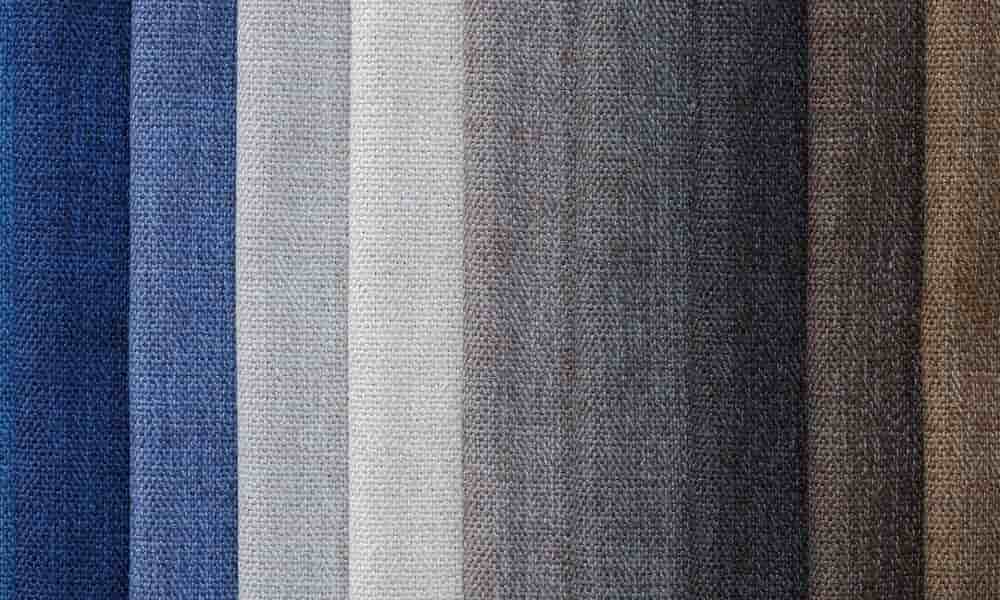
Certain viscose is brushed to give an effect of matte, while others come with a silky, shiny texture. Request swatches as soon as you can to make sure the feel is in line with your expectations.
Sizing and Shrinkage
Viscose will shrink after the first wash. In the case of viscose fabrics purchased from the yard, you should wash it in the same manner as you would wash your final fabric. This will ensure your sizing and fits.
Print Quality and Colorfastness
Find out from your supplier the durability of the fabric and if the dyes are resistant to fade even after multiple washing. You should look for OEKO TEX or other certifications by third parties to ensure quality, safe process and colors.
Sustainability and Source
If you or your company are committed to sustainability, inquire about where and how the viscose comes from. Certain suppliers sell viscose in a yard from forests that are certified with the Forest Stewardship Council (FSC). Some manufacturers are now recycling solvents and water that are employed in manufacturing, too.
Supplier Reputation
Find suppliers who have an established track record of quality and reliability. Check out reviews, request references, and don’t be afraid to request a small sample before you commit to larger quantities.
Minimum Order Quantities
Not all wholesalers permit you to purchase viscose fabric by the yard, and others have more stringent minimum requirements. Find wholesalers willing to provide as small or as much as you require to avoid overstocking or throwing away.
Viscose Fabric Care Tips for Designers
- Always make sure to use a cool, gentle washing machine or dryer.
- Avoid twisting your fabric when it’s wet.
- Steam instead of iron directly to avoid shine.
- Line dry to protect the drape and to avoid damage from heat.
- Keep the storage folded and not hung in order to limit stretching.
This will ensure that your final products retain their finest quality over the longest time they can.
Final Word Viscose Fabric for Fashion Designers
Viscose fabric can open up creative and commercial potential for fashion-conscious designers at every career level. Its soft texture, reliable color, and adaptability make clothes that are distinctive on the rack and are comfortable to wear.
If you are looking for viscose fabric by the yard be sure to check the weight, finish and track record of the supplier to find materials that fit your needs. An extra bit of research will lead to items that work well and delight the customers. Fashion is filled with choices however viscose has earned its place as a must-have for designers that require quality, value and a stylish look.
Explore Fabriclore’s extensive selection of custom printed, ready mill-dyed, and yarn-dyed fabrics—ideal for your next collection. For personalized assistance, contact us at hello@fabriclore.com. Experience authentic, affordable, and seamless fabric sourcing.